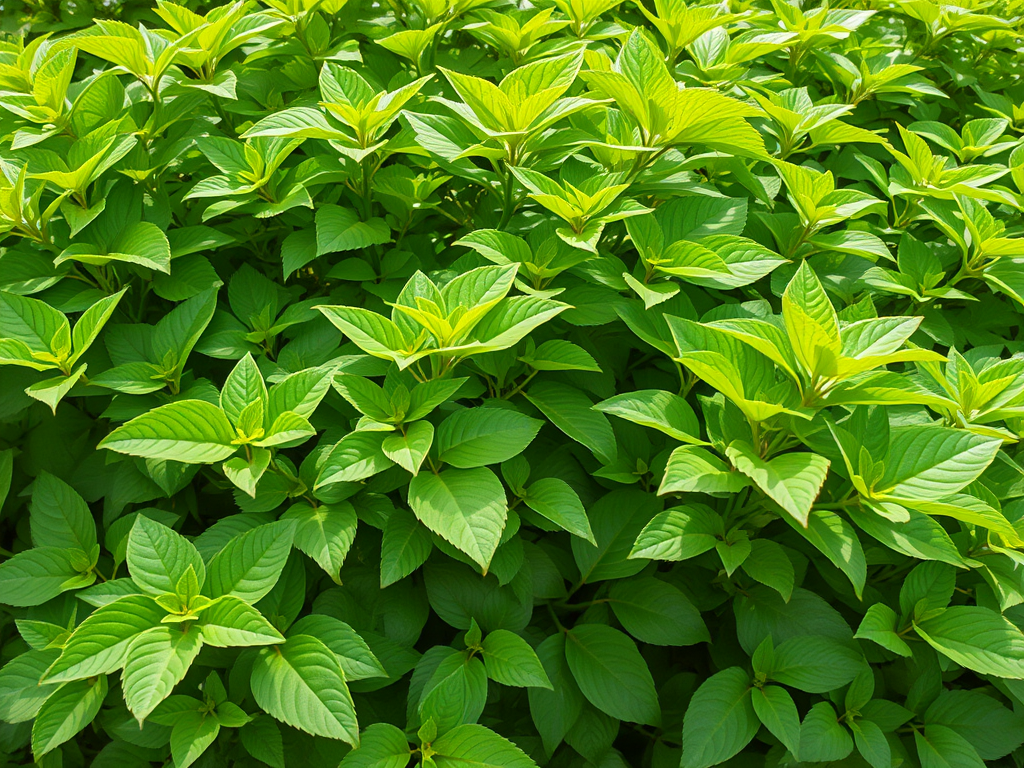
Have you every heard of Kudzu? I hadn’t heard of it by that name only every growing vine that is taking over West Virginia. I first noticed on our way to Charleston WV because the side of the mountain was covered in this vine. It was kind of scary looking when we first came across it that day. Well, it became a mainstay in the scenery we just did not even think of it after a while. It ha.s since shown up in other parts of West Virginia and since I do a West Virginia Wednesday Facebook Live every other Wednesday my brother suggested that I do a segment on this invasive plant and its origins.
So last night I delve into the why, when’s and how this plant became so popular in West Virginia. According to Wikipedia Kudzu is also called Japanese arrowroot or Chinese arrowroot. It was introduced into the United States by the Japanese during the Continental of the signing of the Declaration of Independence in Philadelphia in 1876. It was also shown in the Chicago World’s Fair. From there it became popular in the south to prevent soil erosion. During the “Dust Bowl” it was grown from into seedling to the tune of 70 million and distributed to the farmers of the day to the tune of $8.00 an acre if they would plant it by the Soil Conservation Service. Since money was scarce during the 1930″s and 40’s it was planted eagerly. There was even a Kudzu Club started that had 20,000 members that wanted to plant over 8 million acres across the south. Fortunately for us cultivation peaked at just over one million acres by 1945. Once the money from the Conservation Service dried up it was not so popular to plant this vine. The kudzu was then destroyed as farmers choose to turn their land over to more profitable uses. Money is really the decision maker in this country.
Kudzu will grow about one foot per day and does so by putting out stolon’s (runners) kind of like strawberries will do to reproduce more little kudzu plants. Also, like strawberries if you cut the crown off of the top of the root you can inhibit its ability to reproduce quickly. It may lay dormant for over 10 years before it can find the right conditions to grow again. It is in the pea family and if you have raised peas you will note that the tendrils that the plant puts off will attach to anything so it can grow stronger. Someone once said that all plants want to do is to grow, produce flowers or seeds and then it can reproduce. It seems Kudzu has really learned this lesson well.
You can eradicate it if you want, you can mow it down and then find the main root and cut off the crown, you can by a got or cow because they love to graze on kudzu or you can use weed killer on it. None of these are completely known to work except they have had great success in putting hellium in holes made under the ground where the root is. It says it is about 98% to 100% effective and this does not harm nearby plants.
If this in on you place and you are looking for a way to get rid of it please contact your local farm bureau and ask for information. The information I have provided is on the Wikipedia website under Kudzu.
Some good uses for Kudzu is to make tea, they say it is full of antioxidants. The leaves can be boiled down to make a juice from which jelly can be made and sometimes they make Tincher’s out of it. Again, I ask that you do your own research because I have not tried any of these that for the present. Maybe later on we will look into testing some of these theories but for now I do not have Kudzu on my property but with the way it is growing it may be here sooner that you think. Currently it is in over 32 of our 50 states and climbing Northward every day.
I hope you have enjoyed this. I will link the Facebook Live where I talked about this subject if you want to check it out .https://youtu.be/L4452ds2mCs
 Kincaid Special Kreations
Leave a comment