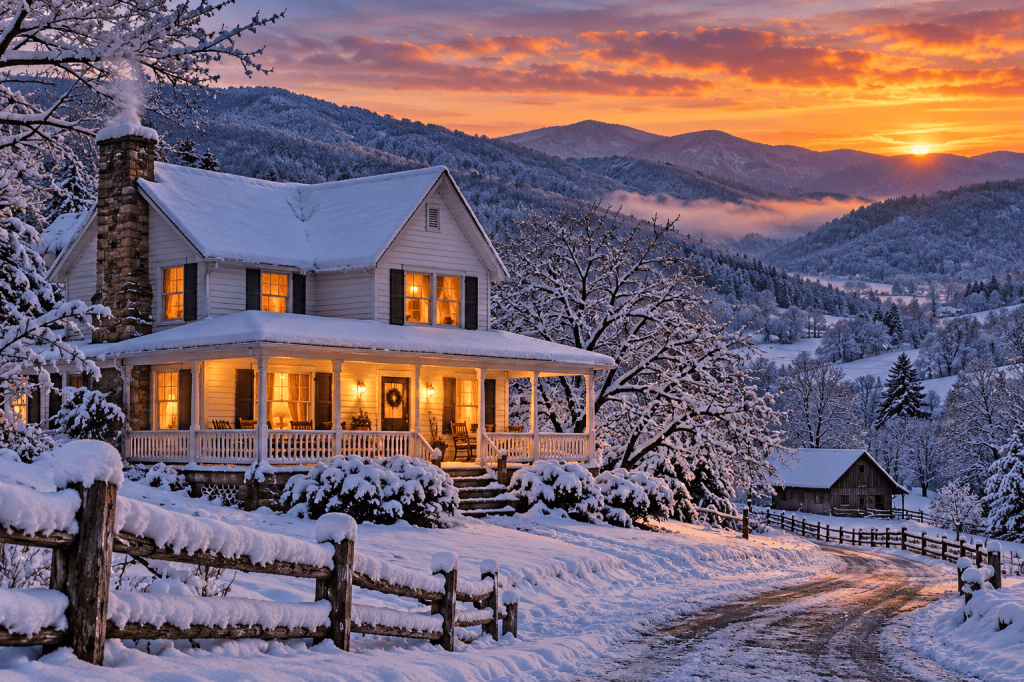
Practical steps to help protect your home, your family, and your peace of mind when winter settles over the Mountain State.
Winter in the Mountain State
Here in West Virginia, we know that winter can be beautiful. Snow-covered mountains, trees sparkling with ice, and the warmth of home on a cold winter evening are all part of what makes living here special.
But those of us who have spent time in these mountains also know that winter can bring challenges.
Snow, freezing rain, icy roads, bitter temperatures, and unexpected power outages can turn an ordinary day into a difficult situation. In some communities, a winter storm can make roads impassable for days. Steep driveways, winding mountain roads, and rural locations can make getting help or traveling to town more difficult.
We cannot control the weather, but we can take steps to prepare for it.
The best time to get ready for winter is before the first storm arrives, while the weather is still manageable and we have time to take care of things without rushing.
Winter preparedness isn’t about living in fear or expecting something terrible to happen. It is about making sensible plans so we can care for ourselves, our families, and our animals if the unexpected occurs.
So, let’s talk about some practical ways we can prepare our West Virginia homes for the winter ahead.
1. Make Sure Your Home Is Ready for Winter
Our homes are our first line of defense against cold weather. Taking care of a few things before temperatures drop can help keep us comfortable and prevent problems later.
Check Your Heating System
One of the first things we do when preparing for winter is make sure our furnace is running properly.
The middle of a cold spell is no time to discover that your heating system isn’t working as it should!
If your heating system needs maintenance, arrange for it before the cold weather settles in. Replace or clean filters according to the manufacturer’s instructions, and have a qualified professional address any problems.
If you use a fireplace or wood stove, have the chimney and equipment inspected as appropriate. Make sure combustible materials are kept a safe distance away, and use only the fuels and operating methods recommended by the manufacturer.
If your home uses propane or another delivered fuel, check your supply and plan ahead for refills. Winter weather can delay deliveries, especially on difficult mountain roads.
Check Doors and Windows
Cold air can find its way into a home through small gaps around doors and windows.
Check weatherstripping, inspect caulking, and look for obvious drafts. Simple repairs can help reduce heat loss and make your home more comfortable.
If you have a basement, crawl space, or other unheated area, check for exposed plumbing that may need protection.
Protect Your Pipes
Frozen pipes can cause considerable damage to a home.
Insulate exposed pipes where appropriate, disconnect and drain outdoor hoses, and know where your main water shutoff is located.
If temperatures are expected to fall sharply, follow guidance from your local water utility or a qualified plumber about protecting vulnerable plumbing.
If you have a well, remember that the pump may depend on electricity. Consider how you would obtain safe drinking water if the power went out.
A little attention now may save you considerable trouble later.
2. Prepare for a Power Outage
Power outages are one of the winter problems we need to consider here in the mountains.
Ice can accumulate on power lines and tree branches, while heavy snow and strong winds can cause additional damage. Depending on the conditions, restoring electricity may take time.
Ask yourself a simple question: If the electricity went out tonight, would you have what you needed to get through the next day or two?
Here are some useful items to keep available:
- Flashlights and extra batteries.
- Battery-powered lanterns.
- A battery-powered or hand-crank radio.
- Fully charged cellphones and backup power banks.
- Warm blankets and extra winter clothing.
- A first-aid kit.
- Essential medications.
- A manual can opener.
- Drinking water.
- Food that can be eaten without cooking.
- Supplies for your pets.
Keep these items in a convenient location where everyone in the household can find them.
When a winter storm is forecast, charge your phones and backup batteries ahead of time.
Staying Warm Safely
If the power goes out, think carefully about how you will keep your household warm.
Never use a gas oven or stovetop to heat your home. Never operate a generator, charcoal grill, camp stove, or other fuel-burning equipment inside your home, garage, or another enclosed or partially enclosed space. These devices can produce deadly carbon monoxide.
Generators must be operated outdoors, well away from doors, windows, and air intakes, following the manufacturer’s instructions and applicable safety guidance.
Make sure carbon monoxide alarms are working, particularly if your home has fuel-burning heating equipment, a fireplace, or a generator.
If your home becomes dangerously cold and you cannot safely heat it, consider going to a friend or family member’s home or a designated warming center, if available.
Having a safe alternative in mind before an emergency occurs can make a difficult situation easier to manage.
3. Get Your Vehicles Ready
For many West Virginia families, a dependable vehicle is essential.
We use our vehicles to get to work, attend medical appointments, buy groceries, and check on family members. When snow and ice arrive, however, even a familiar road can become hazardous.
Before winter sets in, have your vehicle checked if necessary.
Pay attention to:
- Tire condition and pressure.
- Battery condition.
- Antifreeze and other essential fluids.
- Windshield wipers and washer fluid suitable for freezing temperatures.
- Headlights, taillights, and turn signals.
- Brakes and other important safety systems.
Keep your fuel tank reasonably full when severe winter weather is approaching.
It is also wise to prepare a winter emergency kit for your vehicle. Consider including:
- Warm blankets.
- Gloves, hats, and extra socks.
- A flashlight and spare batteries.
- A cellphone charger or power bank.
- Drinking water and nonperishable snacks.
- A first-aid kit.
- An ice scraper and snow brush.
- A small shovel.
- Jumper cables or a suitable jump starter.
- Reflective warning equipment.
Keep essential medications with you when traveling, and make sure they are stored at the appropriate temperature.
Before leaving home during winter weather, check the forecast and road conditions. Allow extra time, drive according to conditions, and postpone unnecessary travel when roads are dangerous.
Mountain roads can have steep grades, sharp curves, shaded areas, and icy patches that are difficult to see.
Remember, sometimes the safest trip is the one we postpone until conditions improve.
4. Don’t Forget Your Animals
Our animals depend on us to help them through the winter months.
Make sure you have adequate pet food, fresh water, and any necessary medications available. If you have outdoor animals, provide appropriate shelter from wind, rain, snow, and freezing temperatures.
Bring pets indoors when conditions are unsafe for them.
Check water bowls frequently during freezing weather, and make sure animals have access to water that has not frozen.
If you care for livestock, plan for feed, water, appropriate shelter, and safe access to their enclosures.
Think about what will happen if the electricity goes out. Water pumps, heated water bowls, and other equipment may stop working.
If an animal depends on powered equipment, make a safe backup plan.
And don’t forget to include your animals when preparing emergency supplies. A little planning can help ensure that everyone in your household is cared for when the weather turns bad.
5. Make a Plan for Your Family
We often think about supplies when preparing for winter, but having a family plan is just as important.
Take a little time to talk about what you will do if roads become impassable, electricity goes out, or someone needs help.
Consider these questions:
- Does everyone know where emergency supplies are stored?
- Do you have important telephone numbers written down?
- Who will check on older relatives or neighbors who may need assistance?
- What will you do if someone needs essential medication during a prolonged storm?
- Where could you go if your home becomes too cold to occupy safely?
- How will family members communicate if cellphone service is interrupted?
Keep a list of emergency contacts in a convenient place.
If you have family members who live alone, consider arranging regular check-ins during severe weather.
A quick telephone call can provide reassurance and help identify a problem before it becomes more serious.
We live in communities where neighbors often look out for one another. Checking on an elderly neighbor, helping someone prepare before a storm, or simply making sure a family member has what they need can make a difference.
Of course, never put yourself in danger trying to help someone else. If a situation requires emergency assistance, contact the appropriate emergency services when possible.
6. Stay Informed When Winter Weather Approaches
Preparedness also means knowing where to find reliable information.
Before a storm arrives, check forecasts and official weather alerts. Pay attention to warnings about heavy snow, freezing rain, dangerously low temperatures, and hazardous travel.
The National Weather Service provides forecasts, watches, warnings, and other weather information through its official website.
You can visit the National Weather Service to check conditions and alerts for your area.
For general emergency preparedness advice, visit Ready.gov.
West Virginia residents should also pay attention to announcements from local emergency management officials, county authorities, utility companies, and transportation agencies.
Keep your devices charged when severe weather is expected, and consider having a battery-powered radio available in case internet or cellphone service becomes unreliable.
Don’t wait until the snow is falling to figure out where to get information.
A few minutes of preparation can help you make safer decisions for yourself and your family.
7. Put Together Your Winter Preparedness Checklist
You don’t have to accomplish everything in one day.
Start by walking through your home and making a list of what you already have and what you still need.
Then divide your preparations into manageable tasks.
Around the House
- Check the furnace or other heating equipment.
- Inspect doors and windows for drafts.
- Protect exposed pipes.
- Check smoke and carbon monoxide alarms.
- Inspect fireplace or wood-stove equipment, if applicable.
- Make a plan for heating safely during a power outage.
Emergency Supplies
- Gather flashlights and batteries.
- Check lanterns and backup power banks.
- Locate warm blankets and extra clothing.
- Prepare a first-aid kit.
- Check essential medications.
- Make sure you have drinking water.
- Keep a battery-powered radio available.
Vehicles
- Check tires and battery.
- Check antifreeze and windshield wipers.
- Prepare a winter emergency kit.
- Keep fuel levels in mind before storms.
- Check road conditions before traveling.
Family and Animals
- Write down emergency contacts.
- Make a plan for checking on relatives and neighbors.
- Identify a safe alternative location if your home becomes too cold.
- Check pet food and water supplies.
- Plan for livestock and animals that depend on powered equipment.
Once you have completed your checklist, keep it somewhere convenient.
You can review it again as winter progresses, replacing used supplies and addressing any problems you discover.
Preparedness isn’t a one-time event. It is an ongoing process of checking, maintaining, and planning.
A Final Thought From the Mountains
Here in West Virginia, we learn to respect the weather.
The mountains are beautiful in every season, but they also remind us that we cannot control everything nature brings our way.
We can, however, take steps to be ready.
We can prepare our homes, check our vehicles, gather emergency supplies, make plans for our families, and look out for our neighbors.
We can do these things gradually, working within our budgets and taking care of one task at a time.
Most importantly, we can remember that preparing for an emergency is not about living in fear. It is about giving ourselves a little more peace of mind when the unexpected happens.
And while we began this discussion with West Virginia winters in mind, many of these principles are useful almost anywhere in the world.
The specific preparations may differ depending on where you live. One community may need to prepare for heavy snow and ice, while another may need to prepare for extreme cold, flooding, severe storms, or other unexpected events.
No matter where we call home, taking time to prepare is a practical way to care for ourselves and those around us.
So, before winter settles into our mountains, take a little time to look around your home and ask yourself one simple question:
If the unexpected happened tomorrow, would my family be ready?
If the answer is not quite yet, don’t worry. Start with one thing today.
A little preparation now can make a big difference later.
Until next time, stay safe, stay warm, and take care of one another.
From our little corner of West Virginia to yours, may your home be warm, your family be safe, and your winter be peaceful.
Coming Next: Preparing Your Winter Pantry
Preparing your home is only part of getting ready for winter. Knowing what food you have available and how to turn it into satisfying meals is just as important.
In our next article, we’ll look at stocking a practical pantry, storing essentials properly, planning weekly menus, and making the most of the food we already have.
Because a well-stocked pantry and a little planning can make a big difference when winter weather keeps us home


Leave a Reply